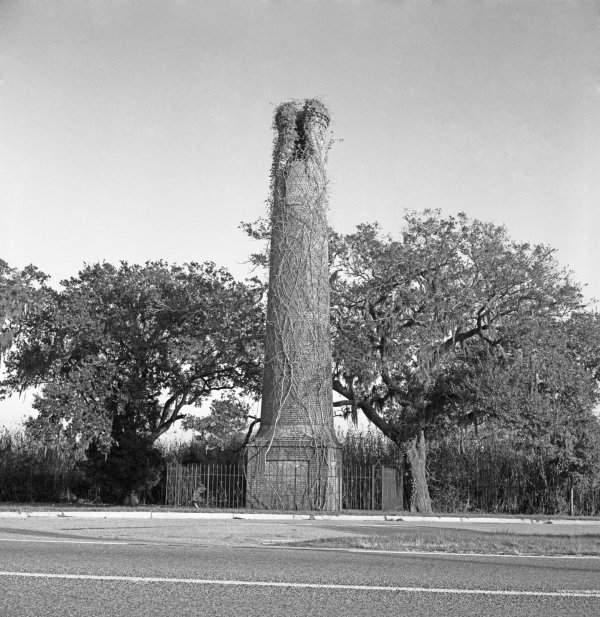
Florida is often associated with beaches, tourism, and rapid development — but scattered across the state are the remnants of communities long since abandoned.
From mining towns and railroad settlements to military outposts and agricultural hubs, Florida’s ghost towns reflect cycles of growth, industry, and decline.
Some vanished when resources dried up. Others were bypassed by changing infrastructure. Many were dismantled entirely, leaving only fragments behind.
Today, these forgotten places serve as reminders of how quickly communities can rise — and how quietly they can disappear.

What Defines a Ghost Town in Florida?
A ghost town is typically defined as a once-populated community that has experienced significant decline or complete abandonment. In Florida, many ghost towns were tied to a single economic driver — mining, railroads, agriculture, or tourism.
When that driver disappeared, so did the population.
Unlike western ghost towns that often leave dramatic ruins, Florida’s humid climate and redevelopment patterns frequently erase visible traces, making many sites difficult to recognize today.
Why So Many Florida Towns Were Abandoned
Florida’s rapid economic shifts played a major role in the rise and fall of many communities. Industries such as phosphate mining, timber harvesting, citrus farming, and railroad expansion created temporary booms that fueled town development.
However, when natural resources were depleted, transportation routes shifted, or industries consolidated, these towns often had little remaining economic support.
Without diversification, population decline became inevitable.

Notable Ghost Towns in Florida
Brewster — A Phosphate Company Town
Located in southwest Polk County, Brewster emerged in the early 1900s as a company town supporting Florida’s phosphate mining industry. At its height, the town included schools, medical facilities, and recreational amenities for workers and their families.
As mining operations shifted and phosphate reserves declined, Brewster’s population diminished. By the 1960s, the town was officially closed, and much of its infrastructure was dismantled.
Today, Brewster remains one of Florida’s most notable industrial ghost towns.
Read more about Brewster here.
Notable Ghost Towns in Florida
Florida is home to numerous communities that rose quickly around a single industry and declined just as rapidly when economic conditions changed.
Below are several of the most notable ghost towns across the state.


Fort Dade — A Military Settlement Lost to Time
Located on Egmont Key at the mouth of Tampa Bay, Fort Dade was established in the late 1800s as a military installation designed to protect the Florida coastline. The fort supported soldiers and their families, creating a small but active community that included barracks, support buildings, and defensive structures.
After World War I, the military presence declined, and the fort was eventually decommissioned. Without its strategic purpose, the settlement was abandoned. Today, remnants of brick structures and coastal fortifications remain, gradually weathered by salt air and time.
Fort Dade illustrates how government-driven communities can disappear once their strategic importance fades.
Ellaville — A Railroad and Timber Town
Ellaville was once a thriving settlement near the Suwannee River, built around railroad expansion and timber operations. The town supported sawmills, transportation networks, and river-based trade that fueled economic growth in the region.
As rail lines were rerouted and timber resources diminished, Ellaville’s economic foundation weakened. Businesses closed, residents relocated, and the town gradually emptied.
Today, only scattered traces and historical references remain, marking Ellaville as another example of Florida’s transportation-driven boom-and-bust cycle.
Copeland — A Lumber and Railroad Community
Copeland developed in South Florida as a lumber and railroad town, supporting timber harvesting operations in the early twentieth century. Like many resource-dependent settlements, its existence was tied directly to extraction and transport infrastructure.
When logging operations slowed and rail routes changed, Copeland’s population declined sharply. Without economic diversity, the town struggled to sustain itself and was largely abandoned.
Historic photographs and archival records provide insight into Copeland’s brief period of activity before it faded into obscurity.
Pineola — An Agricultural Experiment
Pineola was founded as part of an agricultural development effort in Central Florida. Early settlers hoped to build a sustainable farming community supported by rail access and regional trade.
However, environmental challenges, economic shifts, and limited long-term viability led to population decline. Over time, Pineola’s structures deteriorated or were removed entirely.
The town serves as an example of how ambitious settlement plans often depended on fragile economic assumptions.
How Ghost Towns Change Over Time
Unlike the dramatic abandoned towns of the American West, Florida’s ghost towns often disappear quietly.
High humidity, hurricanes, redevelopment, and vegetation reclaim structures rapidly. In many cases, original buildings are dismantled, repurposed, or demolished entirely. What remains may be subtle: altered land patterns, foundation remnants, or archival records.
Florida’s rapid development also contributes to erasure. Former settlements are sometimes absorbed into new infrastructure projects, agricultural land, or industrial zones.
This makes documenting these sites especially important before remaining traces vanish completely.
Exploring Ghost Towns From an Aerial Perspective
An aerial perspective offers a unique way to understand the rise and fall of Florida’s ghost towns.
From above, patterns of former road grids, rail alignments, industrial clearings, and shoreline alterations become visible. Even when structures no longer stand, land use often reveals where communities once existed.
Drone imagery and historical aerial photography help preserve spatial memory — capturing the imprint of communities that shaped Florida’s economic history before fading from physical view.
Six Gun Territory — A Lost Florida Attraction
Six Gun Territory was a Wild West–themed attraction near Ocala that opened in the 1960s during Florida’s tourism expansion. The park featured staged gunfights, train rides, and frontier-style buildings designed to immerse visitors in a western experience. As larger corporate theme parks dominated the region, the park struggled to compete and ultimately closed in 1984.
Read the complete story of Six Gun Territory here.
Link:
“complete story of Six Gun Territory”
Orlando Sun Resort — An Abandoned Development
The Orlando Sun Resort was planned as a major timeshare and hospitality development during Central Florida’s real estate expansion period. Financial challenges and market instability led to its decline before it could reach sustained success. The partially developed structures became emblematic of stalled growth in a region known for rapid tourism-driven construction.
Read more about the abandoned Orlando Sun Resort here.
Link:
“abandoned Orlando Sun Resort”
Frequently Asked Questions
What is the most famous ghost town in Florida?
Brewster is often cited as one of Florida’s most notable ghost towns due to its association with phosphate mining and its role as a company town in Polk County.
Why does Florida have so many ghost towns?
Many Florida towns were built around single industries such as mining, railroads, timber, or agriculture. When those industries declined or relocated, communities lost their economic base and were gradually abandoned.
Can you visit Florida ghost towns?
Some locations, such as Fort Dade on Egmont Key, are accessible to the public. Others are located on private or industrial land and may not be safely or legally accessible
Are there visible ruins in Florida ghost towns?
In many cases, little remains. Florida’s climate and redevelopment patterns often erase structures quickly, leaving behind limited physical evidence.
Leave a Reply