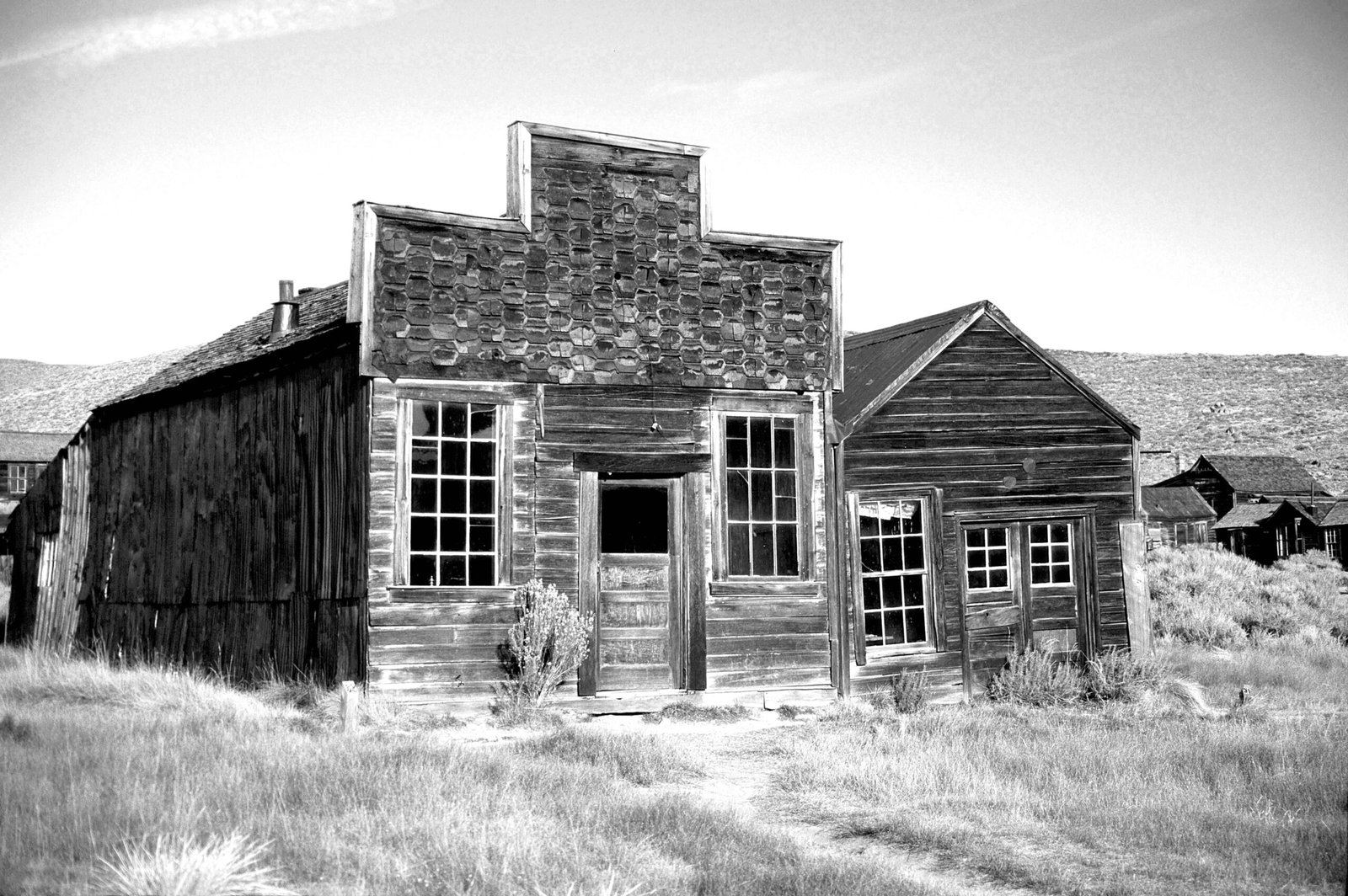
In the early 20th century, Brewster, Florida was a thriving company town built around the phosphate mining industry. At its peak, the town supported hundreds of residents, complete with housing, schools, and community infrastructure tied directly to the economic engine beneath the soil.
Today, little remains.
Brewster stands as one of Florida’s forgotten industrial towns — a place shaped entirely by boom-and-bust economics. When the phosphate operations declined, the town itself faded from relevance, leaving behind a powerful example of how quickly prosperity can disappear.
To understand what happened to Brewster, you have to examine the rise of Florida’s phosphate industry — and the consequences of depending on a single economic driver.
The Rise of Florida’s Phosphate Industry
Florida’s phosphate industry began expanding rapidly in the late 1800s and early 1900s, transforming parts of Central Florida into some of the most productive mining regions in the world. Phosphate, a key ingredient in agricultural fertilizer, became a critical resource as global farming demand increased.
Mining operations spread across Polk County and surrounding areas, drawing investment, labor, and infrastructure into what had previously been sparsely populated land. Entire communities were built around these extraction sites, designed to house workers and support industrial operations.
Towns like Brewster were not developed organically — they were engineered around economic necessity.

How Brewster Was Built as a Company Town
Brewster was established in the early 1900s by the American Agricultural Chemical Company to support phosphate mining operations in the region. Like many company towns of the era, nearly every aspect of daily life revolved around the employer.
Housing, schools, medical facilities, and general stores were all constructed to serve employees and their families. The company maintained infrastructure, utilities, and public services, creating a self-contained community tied directly to industrial output.
While this structure provided stability during economic prosperity, it also meant the town’s survival depended entirely on the success of the phosphate industry.
Life in Brewster During Its Peak
At its height, Brewster was home to hundreds of residents. Workers and families built lives around the mining schedules, forming a tight-knit community shaped by shared economic purpose.
The town included residential neighborhoods, educational facilities, and recreational spaces designed to support long-term settlement. Schools educated workers’ children, while company-sponsored amenities fostered a sense of community cohesion.
Despite its industrial foundation, Brewster functioned much like any small American town — with routines, relationships, and generational ties forming over decades of operation.

Why Brewster Declined
As phosphate deposits in the immediate area became depleted, mining operations began shifting to more productive locations. This transition reduced Brewster’s strategic importance within the broader industry.
Without active extraction, the economic justification for maintaining the town weakened rapidly. Employment opportunities declined, families relocated, and infrastructure investment slowed.
Company towns are particularly vulnerable to industry shifts. Once the economic driver disappears, the supporting community often follows. Brewster experienced this pattern firsthand, transitioning from an active industrial hub to an abandoned settlement within a relatively short timeframe.
What Remains of Brewster Today
Today, very little of Brewster’s original infrastructure remains visible. As mining operations relocated and land use priorities shifted, most of the town’s buildings were either demolished or reclaimed by industrial expansion and natural overgrowth.
Unlike abandoned tourist attractions that may leave behind visible structures, company towns tied to resource extraction are often erased more completely. Land is repurposed for continued mining, environmental reclamation, or restricted industrial use.
As a result, Brewster exists more in historical record than physical form — preserved through archival documents, photographs, and regional memory rather than standing ruins.
The Site From an Aerial Perspective
From above, former company town sites like Brewster reveal patterns that are difficult to detect at ground level. Subtle land clearings, road grids, and altered terrain hint at past human settlement even after structures are removed.
Aerial observation provides insight into how industrial activity reshaped the landscape. Mining pits, reclaimed land zones, and transportation corridors illustrate the economic forces that once sustained the town.
Documenting these locations from an aerial perspective helps preserve spatial history — capturing how communities once existed within Florida’s industrial footprint before disappearing from physical view.
Florida’s Pattern of Boom-and-Bust Towns
Brewster is one of several Florida communities shaped by boom-and-bust economic cycles. Whether driven by tourism, agriculture, railroads, or mining, many towns across the state experienced rapid growth followed by equally rapid decline.
Industries expand, populations rise, infrastructure is built — but when economic priorities shift, communities dependent on a single driver often struggle to survive.
This pattern is visible across Florida’s history:
• Phosphate towns
• Logging settlements
• Railroad hubs
• Tourism developments
Each reflects the same underlying principle: when the economic engine stops, the town it powered often fades with it.
Frequently Asked Questions
Where was Brewster, Florida located?
Brewster was located in Polk County, within Central Florida’s phosphate mining region.
Why was Brewster abandoned?
The town declined as nearby phosphate resources were depleted and mining operations relocated.
Is Brewster still standing today?
Most original structures no longer remain, as the land has been repurposed for industrial and environmental use.
Can you visit Brewster?
Access to former company town sites is often restricted due to private ownership and industrial activity.
Leave a Reply